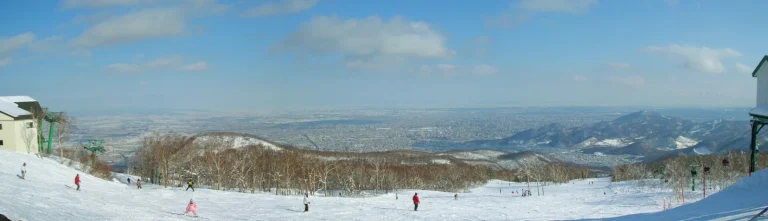

Hokkaido’s “Powder Belt” runs through the centre of the island, from Asahikawa down through Kamui, Furano and Tomamu. It is colder and drier than the coast, the resorts are quieter than Niseko, and it is easy to link them on a road trip. Here is a 10-day itinerary that combines the best of Niseko with central Hokkaido.
The idea: Start with Niseko’s terrain and snowfall, then head inland for the coldest, driest snow in Japan. Fly into New Chitose and out of Asahikawa (or back to New Chitose).
In this guide
The 10-day plan
| Day | Base | Plan |
|---|---|---|
| 1 | Niseko | Arrive at New Chitose, transfer to Niseko (about 2.5 h by bus) |
| 2–4 | Niseko | Learn the mountain, ride the trees, add a lesson or guided day |
| 5 | Niseko | Day trip to Rusutsu (about 45 min) or Kiroro on a storm day |
| 6 | Furano | Drive or transfer to Furano (about 3.5–4 h via Sapporo) |
| 7 | Furano | Ride Furano’s two zones; dinner in town |
| 8 | Furano | Day trip to Tomamu (about 1 h) or Kamui Ski Links |
| 9 | Asahikawa | Kamui Ski Links for trees; overnight in Asahikawa |
| 10 | — | Fly out of Asahikawa, or train back to New Chitose |
Niseko (days 1–5)
Niseko is the best place to start: four linked resorts, around 30 lifts, a huge amount of tree riding and the gate system. Read our complete Niseko guide, plan a night session and check the live gate status app before heading out.
Day trips: Rusutsu for trees and quiet slopes, or Kiroro when a big storm is forecast.
Furano (days 6–8)
Inland, sunnier and drier, with two connected zones, a top elevation of 1,209 m and around 960 m of vertical. Furano town has great food, and it makes an easy base for Tomamu and Kamui. Read our Furano guide.
Tomamu (day 8)
About an hour from Furano. Very cold, very dry snow, long groomers and expert powder areas you can ride after registering. Read our Tomamu guide.
Kamui Ski Links (day 9)
Near Asahikawa, with an open attitude to tree riding and almost no lift lines. Read our Kamui Ski Links guide.
Getting around
- Car: The most flexible option, but only if you are confident on snowy, icy roads. You need an International Driving Permit under the 1949 Geneva Convention or an official JAF translation.
- Buses and trains: Hokkaido Resort Liner runs winter buses from New Chitose to Niseko and Furano, JR limited expresses serve Tomamu, and the seasonal Powder Belt Liner has linked Asahikawa with the central resorts.
- Passes: Each area has its own tickets. A Powder Belt multi-day ticket has covered Furano, Tomamu and Kamui; check what is offered this season.
Winter driving in Hokkaido is serious. Roads can be icy, visibility can drop to near zero in storms and it gets dark early. Leave buffer time between resorts and never rush a drive to catch first chair.
When to do it
January and February are best for powder across Hokkaido. Central Hokkaido stays cold into March, so the snow there often stays drier later in the season than on the coast. See the best time to snowboard in Japan.
FAQ
What is the Hokkaido Powder Belt?
The inland area of central Hokkaido that includes Furano, Tomamu and Kamui Ski Links near Asahikawa, known for cold, dry snow.
Can you do a Hokkaido ski road trip without a car?
Yes, using airport buses, JR trains and seasonal shuttles, but it takes more planning. A car is easier if you are experienced in winter driving.
How many days do you need for Niseko and central Hokkaido?
Ten days is a good minimum. Two weeks lets you add more rest days and storm days.
Sources and official links
- Niseko United
- STEEP: Hoshino Resorts Tomamu and the Powder Belt
- Furano Tourism: Hokkaido Powder Belt
Last checked: October 2026. Lift prices, dates and transport change every season, so always confirm with the official sites before you travel.

Snowboard instructors and guides who ride and teach in Niseko every winter. What we write comes from days on the mountain with our students. More about Snowboard Niseko.
Cover photo: Sgroey, CC BY-SA 4.0, via Wikimedia Commons.