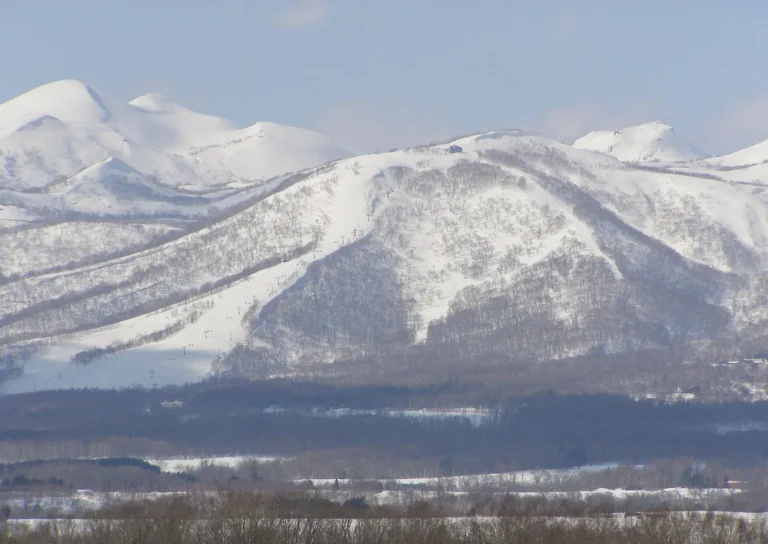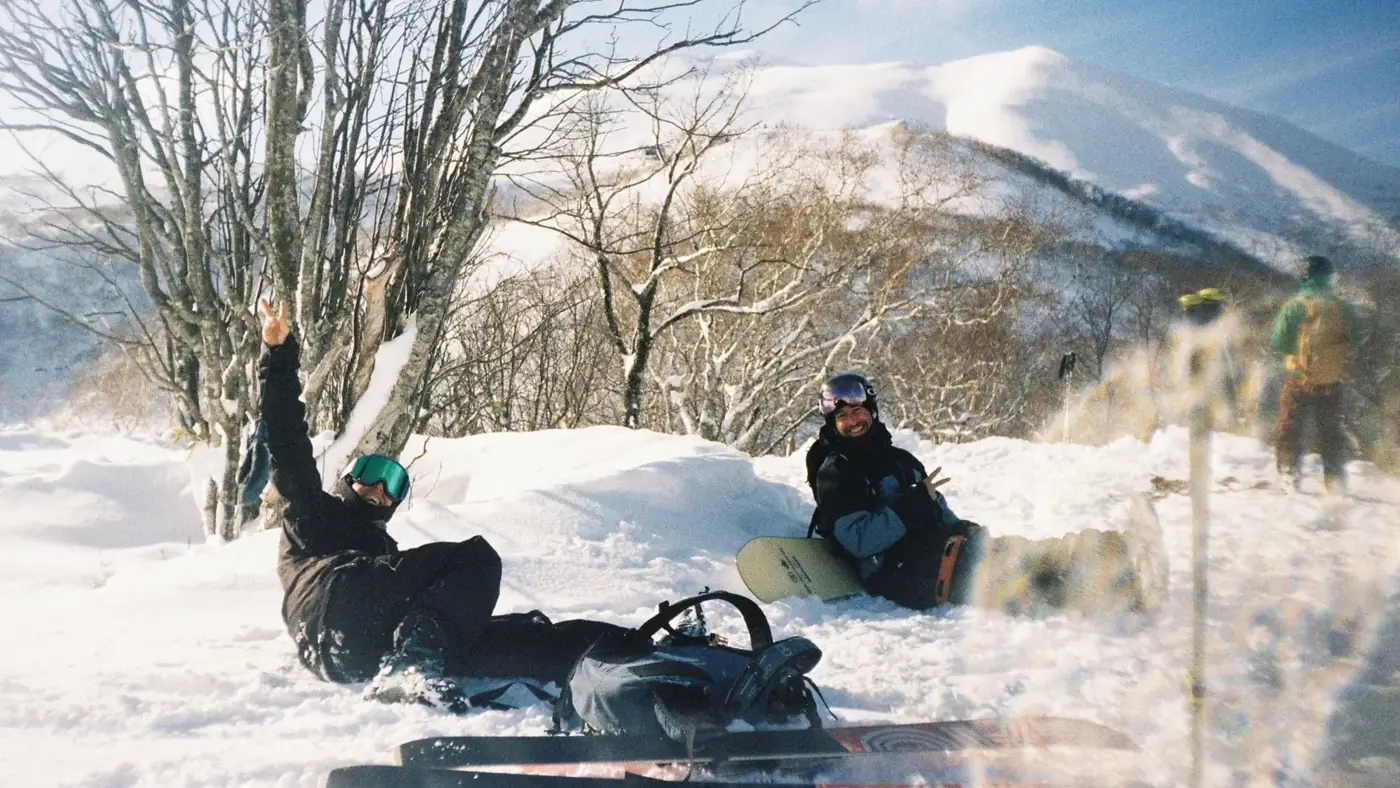

Niseko gets more snow than almost any resort on the planet, and most of it is the light, dry kind snowboarders dream about. This guide covers what you need to know before you ride it: how the mountain works, where the good snow ends up, when to come, and how to stay safe once you leave the groomers.
Quick answer: Niseko United is four connected resorts on one mountain, Mt Niseko Annupuri, sharing one lift pass. Come from mid-December to early February for the deepest powder, ride the trees when it is snowing, and only go out-of-bounds through the official gates.
In this guide
Niseko at a glance
| What | Details |
|---|---|
| Location | Kutchan and Niseko towns, Hokkaido, about 110 km by road from New Chitose Airport |
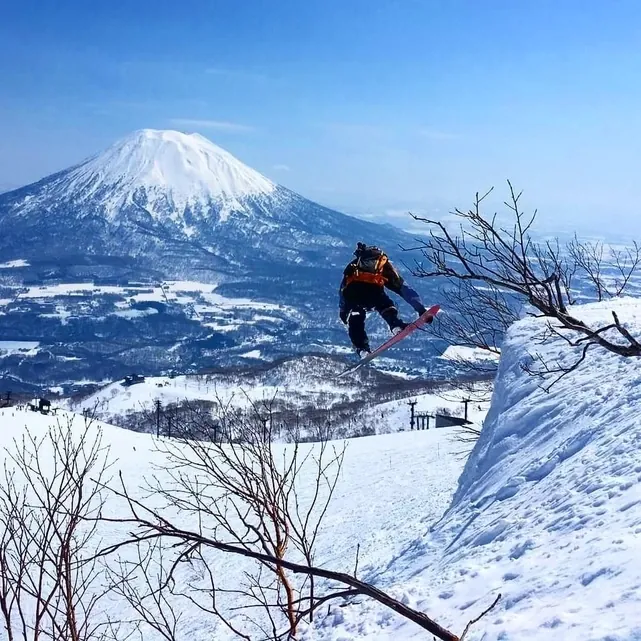
| Mountain | Mt Niseko Annupuri, 1,308 m, with Mt Yotei (1,898 m) across the valley |
| Resorts | Grand Hirafu, Hanazono, Niseko Village and Annupuri (Niseko United) |
| Size | Around 30 lifts (6 gondolas) and roughly 70 courses across the four resorts |
| Lift pass | All Mountain Pass, 1-day adult ¥8,800 (early and spring), ¥12,600 (regular), ¥13,500 (peak, 24 Dec–28 Feb), 2026-27 prices |
| 2026-27 season | Opens 28 Nov 2026. Closes 4 Apr (Niseko Village), 11 Apr (Hanazono) and 5 May 2027 (Grand Hirafu and Annupuri) |
| Night riding | 12 Dec 2026 to 22 Mar 2027 |
| Snowfall | Season averages are usually quoted at 12–15 m, depending on the source and elevation |
| Off-piste | Only through the official gates, under the Niseko Rules |
Why the snow in Niseko is so good
Every winter, cold north-westerly winds from Siberia blow across the Sea of Japan. The air picks up moisture over the relatively warm water and drops it as snow when it hits the mountains of western Hokkaido. Niseko sits right in the path of those storms, so it snows often, and because January temperatures at the base average around −6°C (colder on the upper mountain), the snow stays light and dry.
That is what people mean by “JAPOW”. It is not just the amount of snow, it is how often it refreshes. In a good January it snows most days, so runs that are tracked out by lunch can be soft again the next morning.
Instructor’s note
Every resort in the world depends on the snow, and a bad week or even a bad season is common. In Japan you start from such a deep base that, even in a weaker season, you will very likely find good snow and several powder days in a January or February week. The snow also keeps well, and a little wind can reset half the lines in the trees.
The four resorts of Niseko United
All four resorts are linked near the top of the mountain, and on a clear day you can ride from one side to the other. On stormy days the upper lifts often close because of wind, and crossing between resorts gets harder or impossible. Pick a base for the day and plan around the weather.
Grand Hirafu
The biggest and busiest of the four, with the main village, most of the restaurants and nightlife, and the widest range of terrain. It has beginner slopes at the bottom, long fall-line runs and tree areas higher up, and access to several gates. If it is your first time in Niseko, this is usually where you start. Grand Hirafu and Hanazono also sell a joint pass if you only want to ride the east side.
Hanazono
Next to Hirafu on the east side of the mountain. Hanazono is well known among snowboarders for its tree riding and terrain parks, and it often feels more relaxed than Hirafu. Its newer gondola and lift (added in the 2021–22 season) make it quicker to lap the upper mountain.
Niseko Village
On the south-west side, with large resort hotels and a small walking village. Niseko Village has good trees and some of the steeper runs on the mountain, and it is a solid choice on busy days when Hirafu is crowded.
Annupuri
The western side of the mountain and the quietest of the four. Wide, mellow groomers make it a good place to learn and build confidence, and its trees and open slopes are popular on deep days. Annupuri is also one of the two resorts that stay open the longest, into early May.
Also nearby: Niseko Moiwa, a small independent resort next to Annupuri, is not part of Niseko United and has its own lift tickets. It is known for a relaxed, freeride-friendly feel.
When to snowboard in Niseko
The short version: January is peak powder. Late December and early February are also excellent. Early December can be hit or miss while the base builds, and from March the snow gets heavier and the days sunnier, which many riders love for spring laps.
Christmas, New Year and the Lunar New Year period (Lunar New Year falls on 6 February 2027) are the busiest weeks of the season, and the Sapporo Snow Festival in early February brings extra visitors to Hokkaido. Book accommodation, lessons and guides early if you are travelling then. For a month-by-month breakdown, read our guide to the best time to snowboard in Japan.
Where to ride on a powder day
On a powder day the groomers get tracked within an hour. The snowboarders who score are the ones who know where the snow collects and which lifts open first.
- Trees: Niseko’s birch forests hold snow for days and give you visibility when it is snowing hard.
- Wind direction: The prevailing wind moves snow around. Sheltered, wind-loaded slopes often hold the deepest snow.
- Lift openings: Upper lifts often open late or not at all on windy days. Have a plan B on the lower mountain.
- Patience: On busy days, the best snow is often found on the second or third lap, once the crowds have moved on.
If you are new to deep snow, start with our guide on how to snowboard in powder before you head into the trees.
How local riders plan a Niseko day
- Before breakfast: Check the overnight snowfall, the wind forecast at summit height and the Niseko United lift status. Strong wind means the upper lifts may not open.
- Pick a resort for the conditions: On windy storm days, the lower-mountain trees are usually the answer. On calm, clear days after a storm, head high early before the open terrain is tracked.
- Going near the gates? Read the daily Niseko Avalanche Information bulletin and check which gates are open in the Niseko Gates app.
- Afternoon: When the morning crowds tire, go back for second laps in the trees.
- Evening: On snowy nights, night riding at Grand Hirafu can be the best session of the day. Finish at an onsen.
| Resort | Main lifts to know | Night riding (recent seasons) |
|---|---|---|
| Grand Hirafu | Gondolas from the base, including the Ace Gondola | Yes, the largest lit area in Japan |
| Hanazono | Symphony Gondola | Yes, mellow lit runs and park |
| Annupuri | Jumbo Quad #1 | Yes, wide groomers |
| Niseko Village | Banzai Chair, Village Express | Yes, beginner and intermediate slopes |
Next door to Annupuri, the independent Niseko Moiwa is worth a day when you want space.
Instructor’s note
On a storm morning, get there early: you know there will be a queue. The Ace Gondola is the fastest way up, although the old Hirafu gondola usually starts turning a little before 8:30.
If the upper lifts stay closed, the trees between the runs are superb, but you need to know them. Most people head straight for the peak gates, which get tracked out first, so the lower mountain stays fresh for longer. Even the Super Course can be amazing if you are on it for the first runs.
The classic mistake is going where everyone goes. The queue for the Pizzabox can be endless, and you can avoid much of it with Ace Pair #4. And on stormy days with no sun, Gate 11 is spectacular, for experienced riders with the right gear or with a guide.
The Niseko gate system
Niseko is famous for its approach to side-country. Instead of banning off-piste riding, the resorts allow access through official gates at the resort boundary, which open or close depending on conditions. The system is governed by the Niseko Rules, set by the local avalanche prevention committee after Niseko recorded some of the worst avalanche accident numbers in Japan.
- Enter the backcountry only through an open gate and never duck a rope.
- Backcountry riders must wear a helmet and carry an avalanche transceiver. A shovel and probe are very highly recommended.
- Never enter closed or off-limits areas.
- Rule breakers can have their lift pass confiscated, and backcountry search and rescue is charged from ¥100,000.
Behind the gates there is no patrol and no avalanche control. It is backcountry terrain. Niseko Gates explains how it all works in its complete Niseko backcountry guide, and we cover the snowboard side in riding the Niseko gates on a snowboard.
Which gates are open right now? Check the Niseko Gates app, where riders post real-time gate status updates from the mountain. Log in to see the latest reports and add your own.
Lessons and guiding in Niseko
Niseko’s snow is easy to fall in love with and easy to get lost in. If you want to make the most of it, a few hours with a local instructor or guide can be the difference between fighting the powder and floating through it.
- Lessons are best if you are learning, or if powder and trees still feel hard.
- Freeride coaching helps confident riders read terrain, pick lines and ride steeper trees.
- Gate guiding gets you into the side-country with someone who knows the terrain, the snowpack and the rules.
Ride Niseko with a local guide
Niseko Gates runs guided gate tours, freeride coaching and private lessons with local instructors who ride this mountain every day of the season.
Instructor’s note
Not every guided day is about technique. Some riders need confidence more than tips: a bit of support to try things they would not dare alone, until they end up doing them by themselves.
We have also picked up groups who tried to navigate with their own maps, ended up in Moiwa looking for the back bowl and had to call for a pickup. And once, a guided day was about finding the perfect spot for a marriage proposal.
Getting to Niseko
Most visitors fly into New Chitose Airport (CTS) near Sapporo. Niseko is about 110 km away, roughly 2 hours 15 minutes by car in good conditions. The White Liner and Hokkaido Resort Liner buses take about 2.5 hours and should be booked ahead in winter. By train, you change at Otaru (and sometimes Sapporo) for Kutchan, the town closest to Hirafu, which takes around 2 hours 45 minutes.
Our guide to getting from New Chitose Airport to Niseko compares every option, and the first-timer’s guide to snowboarding in Japan covers passes, rentals and etiquette.
Niseko snowboarding FAQ
Is Niseko good for beginner snowboarders?
Yes. All four resorts have beginner areas, and Annupuri and the lower parts of Grand Hirafu have wide, mellow slopes. Deep snow is also softer to fall in. Book a lesson for your first days so you build good habits.
Do I need a separate lift pass for each resort?
No. The Niseko United All Mountain Pass covers Grand Hirafu, Hanazono, Niseko Village and Annupuri. Single-resort passes and a joint Grand Hirafu–Hanazono pass are also sold. For 2026-27, a 1-day adult All Mountain Pass costs ¥13,500 in peak season.
When does Niseko open for the 2026-27 season?
All four resorts are scheduled to open on 28 November 2026. Niseko Village closes on 4 April, Hanazono on 11 April and Grand Hirafu and Annupuri on 5 May 2027, subject to snow conditions.
Can I ride off-piste in Niseko?
Only through the official gates, and only when they are open. The Niseko Rules require a helmet and avalanche transceiver behind the gates, and a shovel and probe are very highly recommended.
What board should I bring for Niseko?
A directional board with some setback, or a dedicated powder board, makes deep days much easier. See powder snowboard shapes explained.
Is Niseko too crowded?
It is busy in peak weeks, especially in Grand Hirafu. Start early, use the other resorts on busy days and ride the trees. Outside holiday weeks it is much quieter.
Sources and official links
- Niseko United: lift tickets and 2026-27 season dates
- The Niseko Rules
- Niseko Avalanche Information
- Niseko Tourism: getting here
Last checked: October 2026. Lift prices, dates and transport change every season, so always confirm with the official sites before you travel.

Snowboard instructors and guides who ride and teach in Niseko every winter. What we write comes from days on the mountain with our students. More about Snowboard Niseko.