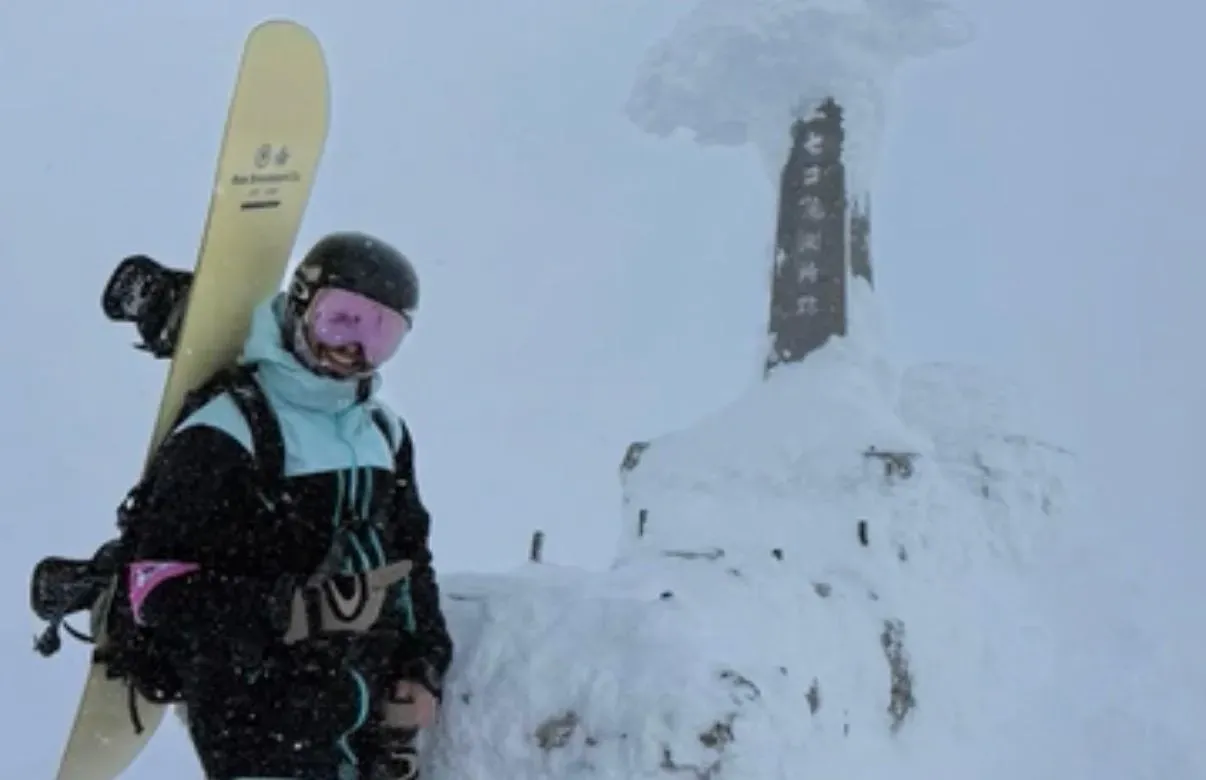

If there is one piece of gear that changes your Japan trip more than any other, it is your goggles. Japan’s powder days are often grey, snowy and flat-light. With the wrong lens you cannot see the bumps, the dips or where the trees start. With the right one, the mountain comes back into focus.
Some links on this site may be affiliate links. If you buy through them, we may earn a small commission at no extra cost to you. Read our affiliate disclosure.
What you need for Japan: A goggle with a high light transmission (low-light) lens, good anti-fog, a wide field of view and a spare lens for sunny days.
In this guide
Understanding lens categories (VLT)
Lenses are rated by how much light they let through, called visible light transmission (VLT), and grouped into filter categories 0 to 4 under the international standard for ski goggles (EN ISO 18527-1). The higher the VLT, the better for dark, snowy days.
| Category | VLT | Best for |
|---|---|---|
| S0 | 80–100% | Night riding, very dark storms |
| S1 | 43–80% | Snowing, flat light, trees: typical Japan powder days |
| S2 | 18–43% | Mixed conditions, cloud and sun |
| S3 | 8–18% | Bright sunny days |
| S4 | 3–8% | Extreme brightness, not suitable for driving |
For Japan, an S1 lens is the one you will use most.
Lens colours for flat light
Yellow, rose, amber and light pink lenses boost contrast in grey light. Dark mirrored lenses look great but make storm days much harder. Many brands sell low-light lenses with contrast-enhancing tints that work well in Japan.
Instructor’s note
Most of our instructors ride with a flat-light lens almost every day in Niseko. A rose low-light lens is a team favourite.
Features that matter
- Anti-fog: You will be hiking, falling and riding in snow. Double lenses and good venting help.
- Interchangeable lenses: Magnetic or quick-change systems let you swap lenses on the lift.
- Field of view: Larger frames help you see trees and features at the edge of your vision.
- Helmet compatibility: Make sure there is no gap between your helmet and goggles.
- Fit: The foam should seal evenly around your face.
Photochromic lenses
Photochromic lenses darken or lighten with the light. They are convenient on days that switch between storm and sun, but check their range. A lens that goes from S1 to S3 covers most conditions.
Keep your goggles working
- Never wipe the inside of a wet lens. Shake out snow and let it dry.
- Do not put goggles on your forehead when you are hot. Steam fogs the lens.
- Carry a spare pair or lens in your jacket for deep days.
- Dry them overnight away from direct heat.
See the rest of our Japan packing list and why a low-light lens matters on a windy, stormy day in Niseko.
FAQ
What goggle lens is best for Japan?
A low-light lens with high VLT (category S1) in a yellow, rose or contrast-enhancing tint works best for Japan’s snowy, flat-light days.
Do I need two goggle lenses for Japan?
It helps. Bring a low-light lens for storm days and a darker lens for sunny days, or a photochromic lens that covers both.
How do I stop my goggles fogging?
Do not wipe the inside, avoid putting them on your forehead, and dry them properly overnight. Good venting and double lenses help too.
Last checked: October 2026. Lift prices, dates and transport change every season, so always confirm with the official sites before you travel.

Snowboard instructors and guides who ride and teach in Niseko every winter. What we write comes from days on the mountain with our students. More about Snowboard Niseko.


