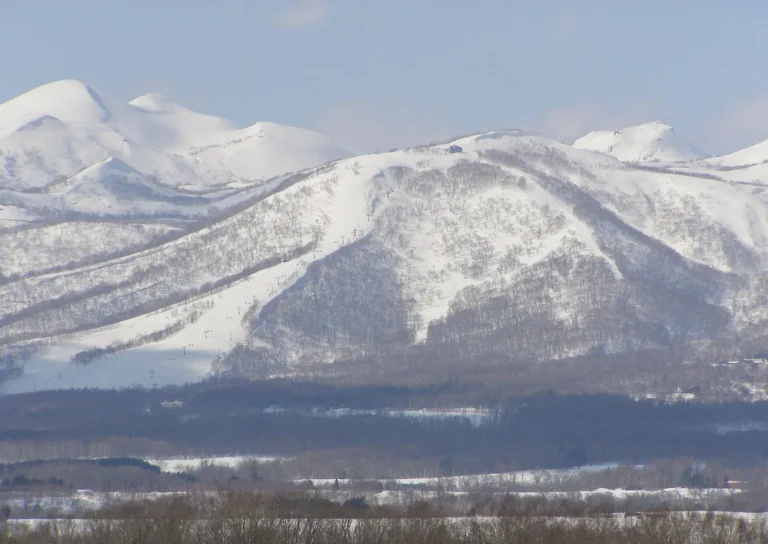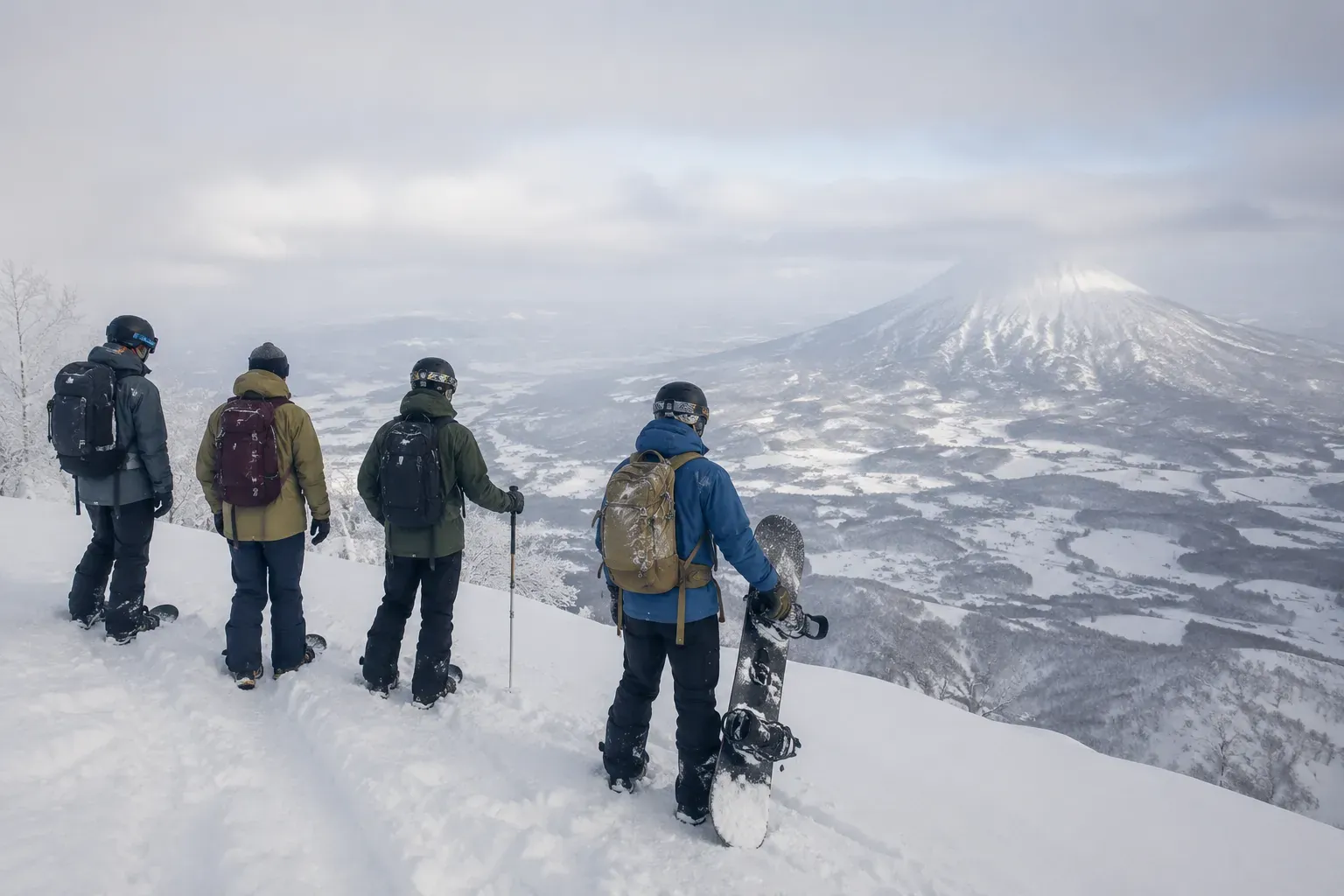

Niseko’s gate system gives everyone legal access to some of the best side-country in Japan. But most of what you read about it is written by skiers. On a snowboard, the gates feel different: flat run-outs, long traverses and exits that skiers glide through can leave you stuck, unstrapped and wading through waist-deep snow. This guide covers what changes when you ride the Niseko gates on a board.
New to the gates? Start with the basics: how the system works, the local rules and how to read the daily avalanche report. Niseko Gates covers all of it in its complete Niseko backcountry guide. This article focuses on the snowboard-specific side.
In this guide
The gate rules in 30 seconds
These are the official Niseko Rules, set by the Niseko Annupuri Avalanche Prevention Committee:
- Enter the backcountry only through the gates.
- Never duck under boundary ropes.
- Backcountry riders must wear a helmet and carry an avalanche transceiver (beacon).
- No backcountry riding when the gates are closed.
- Never enter off-limits areas.
- Elementary school children may only enter the backcountry with an adult.
Carrying a shovel and probe as well is “very highly recommended”. Rule breakers can have their lift pass confiscated, and backcountry search and rescue is charged from ¥100,000. Before you go, read the daily bilingual Niseko Avalanche Information bulletin from the Niseko Avalanche Institute, and check gate status with ski patrol.
Why the gates are harder on a snowboard
Flats and run-outs
Many Niseko lines finish in a gully, a creek bed or a long, gentle slope back to a lift or road. Skiers can pole or skate. On a board, if you lose speed in deep snow, you stop, and getting going again can take a long time.
Traverses
Some routes start with a traverse from the gate across the slope. Skiers set the track, and it is often narrow, firm and slightly uphill in places. Holding a heel-side or toe-side edge for a long traverse is tiring, and dropping below the track can mean hiking back up.
Hiking
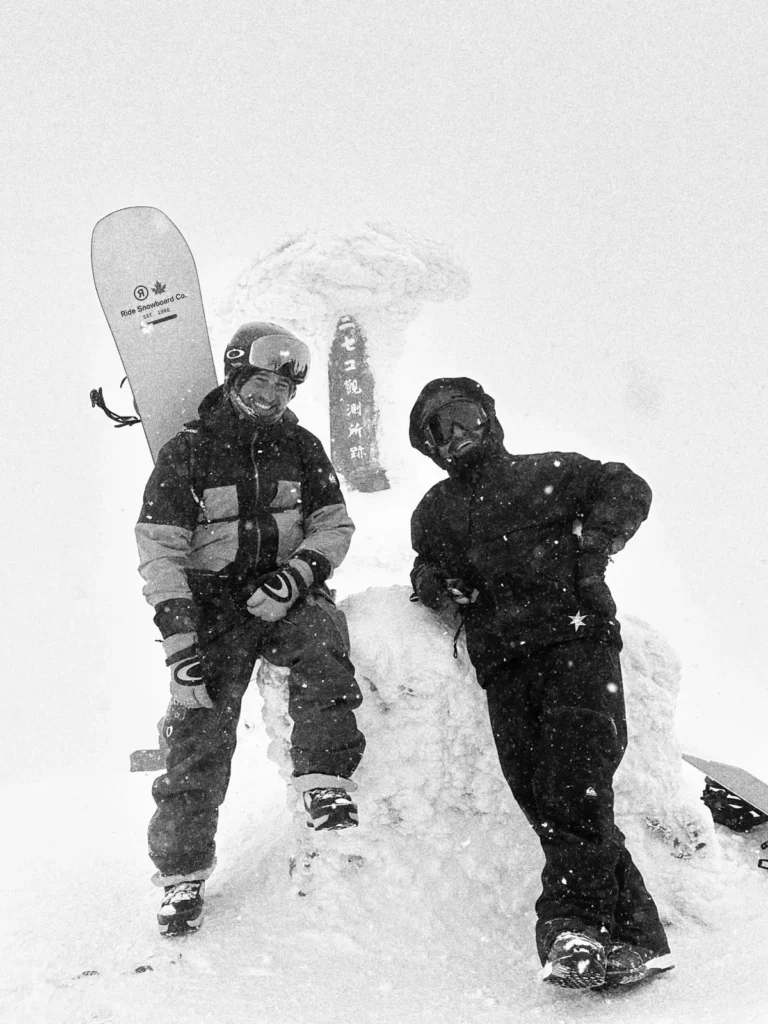
Some of the best terrain near the summit needs a short hike from the top of the lifts. In deep snow, a boot-packed trail is fine, but off the trail you can sink to your thighs.
Instructor’s note
The biggest problem we see behind the gates is navigation. Most riders simply follow the tracks that are already there, without knowing where they lead. Niseko has a lot of valley floors and flat exits, and in deep snow they can become a serious problem on a board.
Some gates have exits that are far from obvious. Gate 3 has many routes, several with awkward exits, and the long traverse out of the North Face keeps a regular rider on their toe edge the whole way. Gates 2 and 3 are where we most often see people get into trouble with navigation without a guide.
How to ride the gates on a snowboard
- Know the exit before you drop in. Ask yourself where the line ends and how you get back. If you do not know, do not go.
- Carry speed into every flat. Look ahead and stay high when the slope starts to ease. Avoid the last turn before a flat.
- Stay above the traverse line. It is always easier to drop down to a track than to climb back up to it.
- Bring collapsible poles. They fold into your pack and save you on flats and traverses.
- Consider snowshoes or a splitboard for longer days. A splitboard turns the uphill and the flats into easy walking. See our splitboarding guide.
- Ride with skiers who wait. Mixed groups work well if everyone agrees on regroup points before the flats.
- Set your board up for powder. Bindings back, and ideally a directional shape. Read powder snowboard shapes explained.
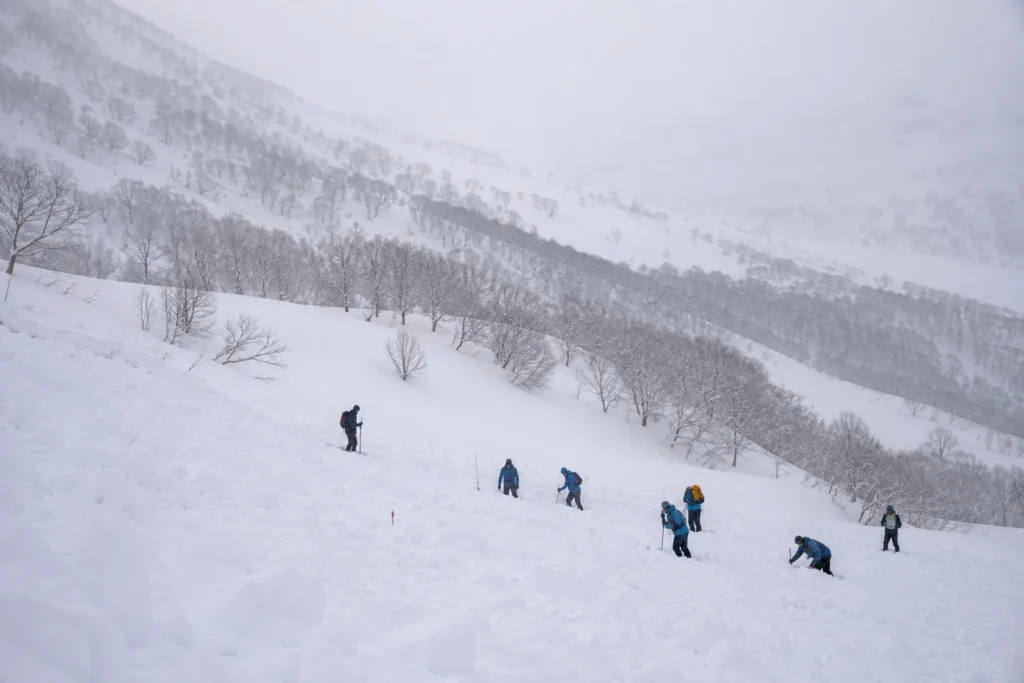
Which gates are open right now? Check the Niseko Gates app, where riders post real-time gate status updates from the mountain. Log in to see the latest reports and add your own.
Snowboard gear for the gates
| Item | Why it matters on a board |
|---|---|
| Helmet and avalanche transceiver | Required by the Niseko Rules behind the gates |
| Shovel and probe | Very highly recommended; you cannot dig a partner out without them |
| Collapsible poles | For flats, traverses and hikes |
| Snowshoes or splitboard | For hikes and long exits in deep snow |
| Backpack with board carry | So you can bootpack with your hands free |
| Powder board or setback stance | Float through flat sections without sinking |
| Spare gloves and goggles | You will spend time on your knees in the snow |
Instructor’s note
What goes in our own packs on a gate day, beyond the avalanche kit: food and water, collapsible poles, a first aid kit, something sugary for quick energy and a few chemical hand warmers.
Tree wells and deep snow
Unstrapping in deep snow near trees is risky. If you stop, choose an open spot away from tree trunks, and always stay in sight of your partner. Read our tree well safety guide before your trip.
Ride it with someone who knows the exits
A local guide knows which gates suit snowboarders on the day, where the flats are and how to get you back to a lift without a long wade. If it is your first time behind the gates, it is the best investment you can make.
Guided gate days for snowboarders
Niseko Gates guides snowboarders and skiers through the gates every day of the season, with routes chosen for the conditions and your riding.
FAQ
Can snowboarders use the Niseko gates?
Yes. The gates are open to skiers and snowboarders alike. Snowboarders just need to plan more carefully for flats, traverses and hikes.
What gear is required behind the Niseko gates?
The Niseko Rules require a helmet and an avalanche transceiver. A shovel and probe are very highly recommended, and in practice every guide will insist on them.
What happens if I duck a rope in Niseko?
Your lift pass can be confiscated and you may be refused a new one. If you need rescuing in the backcountry, search and rescue is charged from ¥100,000.
Do snowboarders need poles in Niseko’s side-country?
They are not required, but collapsible poles help a lot on traverses, flats and hikes. Many local snowboarders carry them.
Where can I learn how the gate system works?
Read Niseko Gates’ complete guide to the Niseko backcountry, which covers the gate system, choosing a gate and reading the avalanche report.
Sources and official links
Last checked: October 2026. Lift prices, dates and transport change every season, so always confirm with the official sites before you travel.

Snowboard instructors and guides who ride and teach in Niseko every winter. What we write comes from days on the mountain with our students. More about Snowboard Niseko.