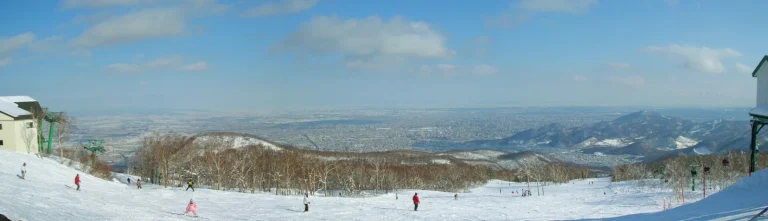

Hokkaido is the reason Japan became famous for powder. The northern island is cold, it sits right in the path of the winter storms from Siberia, and its resorts get some of the most consistent light snow on the planet. This guide covers everything a snowboarder needs to plan a Hokkaido trip: where to ride, when to go, how to get around and how to stay safe.
Quick plan: Fly into New Chitose Airport, base yourself in Niseko for the first week, add day trips to Rusutsu or Kiroro, and if you have more time, head inland to Furano and the central Hokkaido resorts for colder, drier snow.
In this guide
Why Hokkaido is so good for snowboarding
- Light, dry snow: Cold temperatures keep the snow light through the heart of winter.
- Frequent storms: In a good January it can snow almost every day.
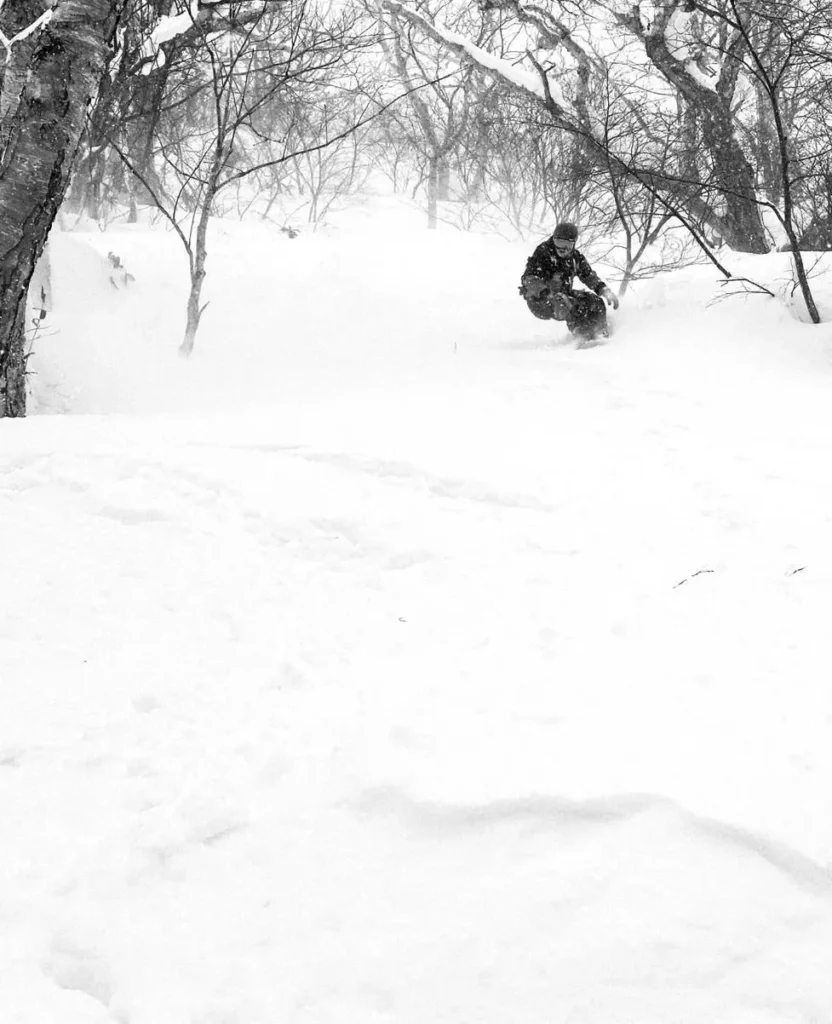
- Trees: Huge birch forests give great riding and visibility on storm days.
- Variety: From big international resorts to quiet local hills and volcano backcountry.
Hokkaido’s main snowboard regions
| Region | Resorts | Best for |
|---|---|---|
| Niseko area | Niseko United, Moiwa, Rusutsu | Powder, trees, side-country, easy logistics |
| Sapporo and Otaru | Kiroro, Sapporo Teine, Sapporo Kokusai | Deep snow, day trips from the city |
| Central Hokkaido | Furano, Tomamu, Kamui Ski Links | Cold, dry snow, fewer foreign crowds |
| Daisetsuzan | Asahidake, Kurodake | Volcano backcountry for experienced riders |
Niseko area
The most famous base in Japan. Niseko United’s four linked resorts on Mt Niseko Annupuri (1,308 m) share one pass and give legal side-country access through the gates. Rusutsu, about 45 minutes away, has some of the best in-bounds trees in Hokkaido. Start with our complete guide to snowboarding in Niseko.
Sapporo and Otaru
Kiroro, in Akaigawa between Otaru and Niseko, is famous for heavy snowfall (read our Kiroro guide). Sapporo Teine (an alpine venue at the 1972 Sapporo Olympics) and Sapporo Kokusai are close enough to the city for an easy day trip.
Central Hokkaido
Further from the coast, the snow is colder and drier. Furano (top 1,209 m, around 960 m vertical) is a lively town with long runs, Tomamu is a large resort complex, and Kamui Ski Links near Asahikawa is a small local favourite for powder. See our guides to Tomamu and Kamui Ski Links, or link them all on a Powder Belt road trip. Read our Furano snowboarding guide.
Daisetsuzan
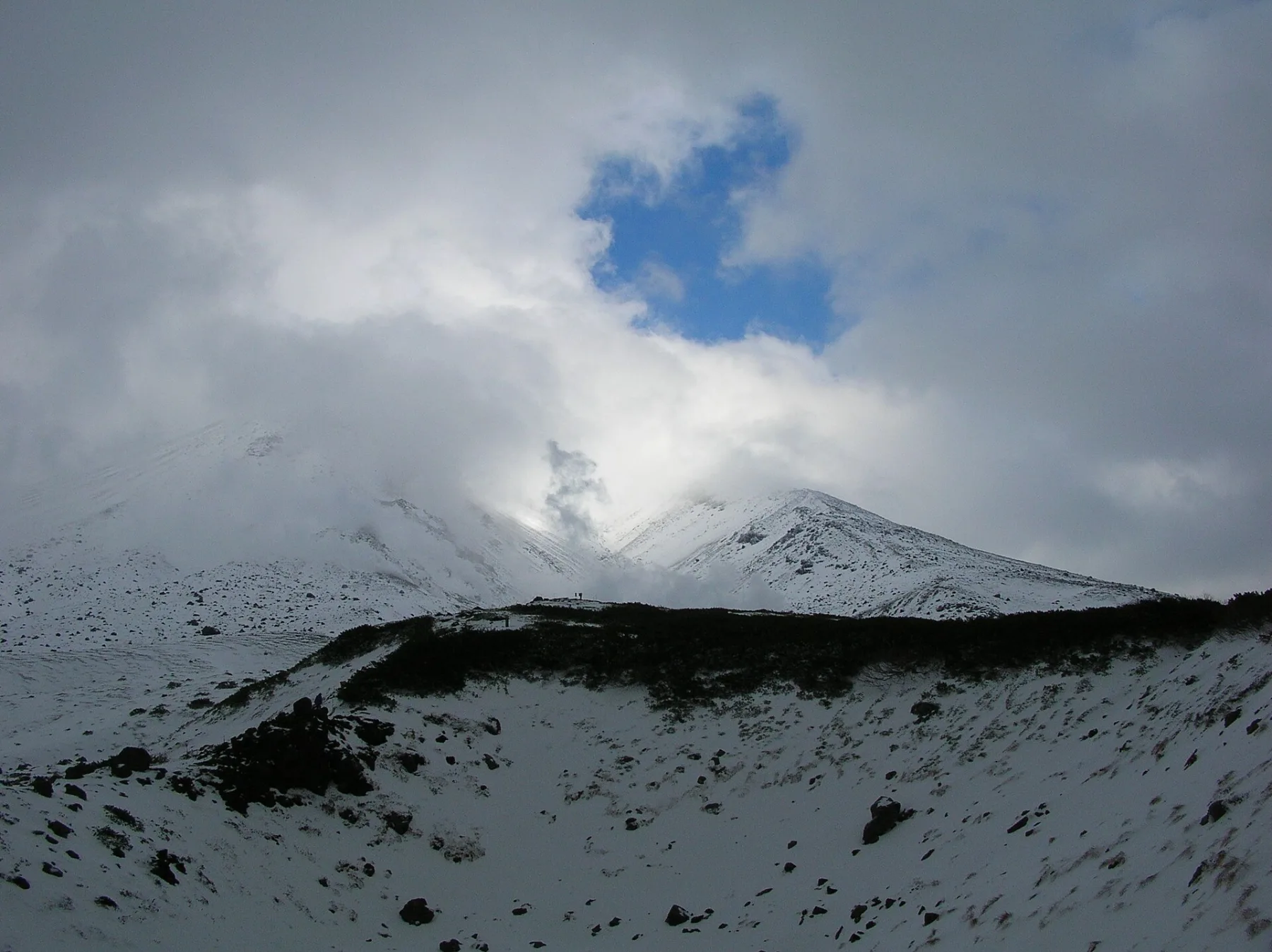
Daisetsuzan National Park is home to Mt Asahidake (2,291 m), Hokkaido’s highest peak and an active volcano. A ropeway climbs from about 1,100 m to 1,600 m. This is serious backcountry terrain for experienced riders with full avalanche training or a guide.
When to go
Late December to mid-February is prime powder season across Hokkaido, with January the coldest and deepest. March brings more sun and spring snow, though it can still dump. See the best time to snowboard in Japan for a month-by-month guide.
Getting around Hokkaido
- Fly into New Chitose (CTS) near Sapporo. Asahikawa Airport is closer to Furano and the central resorts.
- Resort buses and private transfers are the easiest way to reach Niseko, Rusutsu and Kiroro.
- Trains link Sapporo with Otaru, Kutchan (for Niseko) and Asahikawa, but you often need a bus for the last stretch.
- Rental cars give you the most freedom for a multi-resort trip, but Hokkaido’s winter roads need experience and an International Driving Permit.
Our guide to getting from New Chitose Airport to Niseko covers the most common route.
Sample two-week Hokkaido snowboard trip
| Days | Plan |
|---|---|
| 1–7 | Niseko: learn the mountain, ride the trees, guided gate day |
| 8 | Day trip to Rusutsu |
| 9 | Transfer to Furano via Sapporo |
| 10–12 | Furano, with a day at Kamui Ski Links or Tomamu |
| 13 | Guided day at Asahidake (conditions permitting) |
| 14 | Back to New Chitose |
Staying safe in Hokkaido’s deep snow
Hokkaido’s snow is deep, and that brings risks: tree wells, avalanches in the backcountry and getting lost in poor visibility. Ride with a partner, read our tree well safety guide, and never leave the resort without the right gear, training and, ideally, a guide.
Start your Hokkaido trip in Niseko
Ride with local instructors and guides who know where the snow is every day of the season.
FAQ
Is Hokkaido better than Honshu for snowboarding?
For consistent, light powder, usually yes. Honshu, especially Nagano, has bigger alpine terrain and easier access from Tokyo.
How many days do I need in Hokkaido?
One week is enough for Niseko and a day trip. Two weeks lets you add central Hokkaido and more resorts.
Which airport is best for Hokkaido ski resorts?
New Chitose (near Sapporo) for Niseko, Rusutsu and Kiroro; Asahikawa for Furano, Tomamu, Kamui and Asahidake.
Can I visit several Hokkaido resorts without a car?
Yes. Buses, trains and private transfers connect the main resorts, but a car gives you more flexibility.
Sources and official links
Last checked: October 2026. Lift prices, dates and transport change every season, so always confirm with the official sites before you travel.

Snowboard instructors and guides who ride and teach in Niseko every winter. What we write comes from days on the mountain with our students. More about Snowboard Niseko.
Cover photo: pakku, CC BY 3.0, via Wikimedia Commons